
Hair Restoration
Understanding Hair Loss: Common Causes and Treatment Options
Hair loss affects millions of men and women and is one of the most common reasons people seek medical care for cosmetic and wellness concerns. Whether you’ve noticed a widening part, increased shedding in the shower, or gradual thinning over several years, losing your hair can be frustrating and emotionally challenging.
For many people, hair is closely connected to confidence and self-image. Changes in hair thickness or density can affect how someone feels both personally and professionally. Fortunately, hair loss is often a medical condition that can be evaluated, and in many cases, appropriate treatment options may be available.
Understanding why hair loss occurs is the first step toward finding an approach that fits your individual needs.
Hair Loss Is More Common Than Many People Realize
It’s normal to lose some hair every day.
As part of the natural hair growth cycle, individual hairs grow, rest, shed, and are replaced by new hairs. Most people lose dozens of hairs daily without noticing any visible change.
Hair loss becomes more noticeable when shedding increases, new hair grows more slowly, or hair follicles begin producing thinner, shorter hairs over time.
Some people experience gradual thinning over many years, while others notice more sudden changes that deserve medical evaluation.
Common Causes of Hair Loss
Hair loss is not a single condition.
Instead, it describes a symptom that may have many different underlying causes.
Some of the most common include:
Genetics
Hereditary hair loss is the most common cause of thinning hair in both men and women. It often develops gradually over time and may run in families.
Hormonal Changes
Hormonal fluctuations related to aging, pregnancy, menopause, thyroid disorders, or other medical conditions may contribute to changes in hair growth.
Medical Conditions
Certain illnesses, nutritional deficiencies, autoimmune disorders, scalp conditions, and other health concerns may affect the normal hair growth cycle.
Medications
Some prescription medications may contribute to hair thinning as a side effect. Your healthcare provider may review your current medications when evaluating hair loss.
Physical or Emotional Stress
Significant illness, surgery, rapid weight loss, childbirth, or major emotional stress may temporarily disrupt the hair growth cycle and increase shedding.
In many cases, this type of hair loss improves once the underlying trigger has resolved.
Understanding the Hair Growth Cycle
Hair does not grow continuously.
Each hair follicle moves through a repeating cycle consisting of three primary phases.
The growth phase is when the hair actively grows.
The transition phase is a short period when growth slows.
The resting and shedding phase occurs before the follicle begins producing a new hair.
Because individual hairs are in different phases at different times, people normally shed hair every day without developing noticeable thinning.
Certain medical conditions or genetic factors can shorten the growth phase or prolong the shedding phase, leading to visible hair loss over time.
Hair Loss Can Affect Men and Women Differently
Although both men and women experience hair loss, the patterns often differ.
Men commonly notice a receding hairline or thinning near the crown of the head.
Women are more likely to experience diffuse thinning across the top of the scalp while maintaining their frontal hairline.
These are general patterns, and every person’s experience is unique.
Understanding the underlying cause is more important than focusing on appearance alone.
Early Evaluation May Be Helpful
Many people wait until hair loss becomes significant before seeking medical advice.
However, early evaluation may provide more treatment options.
Healthcare providers may consider many factors when evaluating hair loss, including:
- Your medical history
- Family history
- Current medications
- Recent illnesses or major life events
- Existing medical conditions
- Pattern and duration of hair loss
- Lifestyle factors
- Overall health
This comprehensive evaluation helps identify possible contributing factors and determine whether additional evaluation or treatment may be appropriate.
Treatment Depends on the Underlying Cause
Because hair loss has many possible causes, treatment is not the same for everyone.
Depending on your individual circumstances, healthcare providers may recommend lifestyle changes, additional medical evaluation, prescription treatments, or other evidence-informed approaches designed to support hair health.
The most appropriate treatment plan begins with understanding why the hair loss is occurring rather than treating every patient the same way.
Setting Realistic Expectations
Hair grows slowly.
Even when treatment is appropriate and working as intended, visible changes often take time.
Patience and consistency are important parts of the process.
Healthcare providers generally encourage patients to maintain realistic expectations and continue follow-up care so progress can be monitored over time.
Hair restoration is often best viewed as a long-term commitment rather than a quick solution.
Looking Beyond Hair
Although improving hair growth is often the primary goal, evaluating hair loss can sometimes reveal other aspects of your overall health that deserve attention.
Nutritional deficiencies, hormonal changes, thyroid disorders, or other medical conditions may first become apparent because of changes in hair growth.
This is one reason a comprehensive medical evaluation is an important part of personalized care.
Hair Restoration Treatment Options
WellPeps offers prescription treatments for hair loss, taken by mouth or applied to the scalp. Your provider will recommend the approach that’s right for you after reviewing your health history.

Oral Finasteride
A prescription oral medication that lowers DHT, a hormone involved in male-pattern hair loss. Your provider decides whether it is appropriate for you.
- Finasteride
- Oral Tablet

Oral Minoxidil
A prescription oral medication that supports blood flow to hair follicles. Your provider decides whether it is appropriate and at what dose.
- Minoxidil
- Oral Capsule

Topical Minoxidil
A prescription medication applied directly to the scalp that supports blood flow to hair follicles. Your provider decides whether it is appropriate for you.
- Minoxidil
- Topical Solution
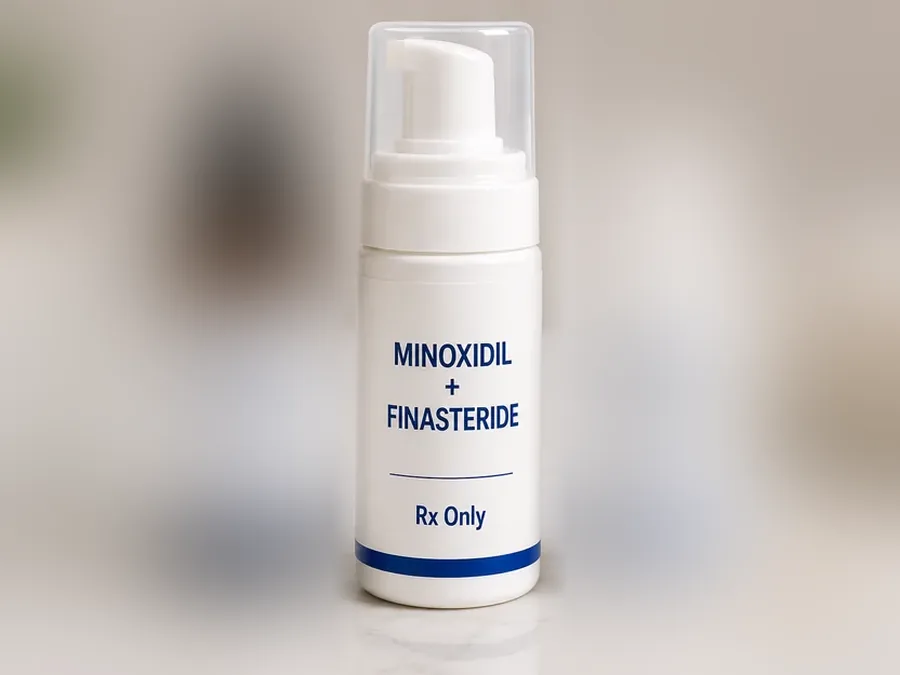
Topical Minoxidil + Finasteride
Two prescription medications in one topical foam applied to the scalp: minoxidil supports blood flow to hair follicles, and finasteride lowers DHT. Your provider decides whether it is appropriate for you.
- Minoxidil 6% + Finasteride 0.3%
- Topical Foam
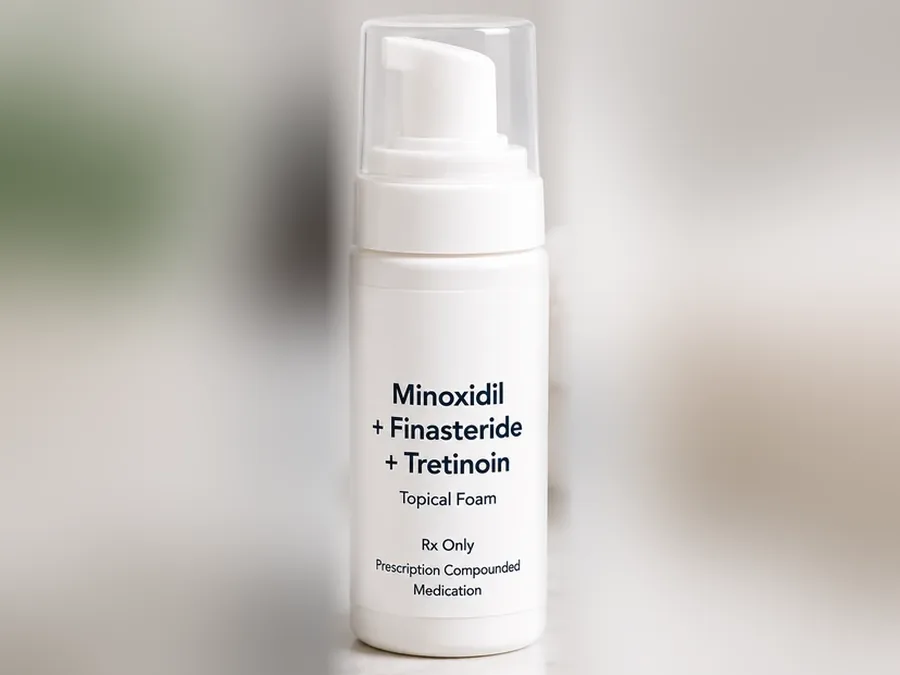
Topical Finasteride + Minoxidil + Tretinoin
Three prescription medications in one topical foam applied to the scalp: minoxidil supports blood flow to hair follicles, finasteride lowers DHT, and tretinoin, a retinoid, speeds skin-cell turnover. Your provider decides whether it is appropriate and which strength fits you.
- Finasteride 0.25% + Minoxidil 5% + Tretinoin 0.03%
- Finasteride 0.25% + Minoxidil 5% + Tretinoin 0.01%
- Finasteride 0.5% + Minoxidil 5% + Tretinoin 0.01%
- Topical Foam
Key Takeaways
- Hair loss is common and may affect both men and women.
- Genetics, hormones, medical conditions, medications, stress, and other factors may contribute to thinning hair.
- Hair naturally grows in cycles, and disruptions to that cycle may lead to increased shedding or slower regrowth.
- Healthcare providers may evaluate many factors before recommending treatment.
- Early evaluation and personalized care may help identify the most appropriate treatment options for your individual needs.