
Hair Restoration
Oral vs. Topical Minoxidil: Understanding the Differences
Minoxidil has been used for many years as a treatment option for certain types of hair loss and remains one of the most recognized medications in hair restoration. Today, healthcare providers may prescribe minoxidil in different forms depending on a patient’s medical history, pattern of hair loss, treatment goals, and other individual considerations.
If you’ve been researching hair restoration, you’ve probably noticed discussions comparing topical minoxidil, which is applied directly to the scalp, and oral minoxidil, which is taken as a tablet.
Both approaches use the same medication, but they differ in how the medication is delivered and how healthcare providers evaluate whether one option may be more appropriate than another.
Understanding these differences can help you better understand your treatment options and why personalized medical care is so important.
What Is Minoxidil?
Minoxidil is a medication that has long been used as part of certain hair restoration treatment plans.
Researchers continue to study exactly how it supports hair growth, but it is believed to help improve blood flow around hair follicles and encourage follicles to remain in the active growth phase longer.
It’s important to understand that minoxidil is not appropriate for every type of hair loss. Healthcare providers first work to identify the underlying cause before determining whether treatment may be appropriate.
What Is Topical Minoxidil?
Topical minoxidil is applied directly to areas of the scalp affected by thinning hair.
It is commonly available as a liquid or foam and becomes part of a person’s daily hair care routine.
Because the medication is applied directly to the scalp, many people appreciate that treatment remains localized to the area being treated.
Like any treatment, consistent use is important, as hair growth occurs gradually over time.
What Is Oral Minoxidil?
Oral minoxidil is taken as a tablet rather than being applied to the scalp.
Although the medication is the same, delivering it orally allows it to circulate throughout the body rather than being applied only where hair thinning is present.
In recent years, low-dose oral minoxidil has become an option that some healthcare providers may consider for appropriate patients after reviewing their medical history and overall health.
Because oral medications affect the body differently than topical treatments, they require careful medical evaluation and ongoing provider oversight.
How Do Healthcare Providers Decide Which Option May Be Appropriate?
There is no universal answer.
Healthcare providers may evaluate many factors before recommending treatment, including:
- The type and pattern of hair loss
- Your medical history
- Current medications
- Existing health conditions
- Previous hair restoration treatments
- Lifestyle and treatment preferences
- Potential risks and benefits
- Individual treatment goals
The objective is to recommend a treatment plan that reflects your overall health rather than applying the same approach to every patient.
Is One Better Than the Other?
One of the most common questions patients ask is whether oral minoxidil works “better” than topical minoxidil.
The answer depends on the individual.
Each treatment has advantages and considerations that should be evaluated within the context of a person’s medical history and treatment goals.
For some patients, topical treatment may be an appropriate option.
For others, an oral medication may be considered after a careful medical evaluation.
Rather than focusing on finding the single “best” treatment, healthcare providers focus on identifying the option that best fits each patient’s circumstances.
Why Consistency Matters
Hair grows slowly, regardless of the treatment approach.
Many patients become discouraged if they don’t notice immediate improvement.
However, hair follicles require time to move through their natural growth cycle.
Whether treatment involves oral minoxidil, topical minoxidil, or another provider-guided approach, consistent use and realistic expectations are essential.
Following your treatment plan and attending recommended follow-up appointments gives your healthcare provider the opportunity to monitor progress and make adjustments if appropriate.
Hair Restoration Often Involves More Than One Treatment
Hair restoration is rarely limited to a single medication.
Depending on the underlying cause of hair loss, healthcare providers may recommend combining treatments or addressing additional factors that influence hair growth.
For example, nutritional status, hormonal changes, medical conditions, lifestyle habits, and scalp health may all become part of a comprehensive treatment plan.
Personalized care allows these factors to be considered together rather than in isolation.
Making an Informed Decision
Choosing between oral and topical minoxidil should never be based solely on convenience or information found online.
A thorough medical evaluation helps ensure that treatment recommendations are safe, appropriate, and tailored to your individual needs.
By understanding the differences between these two approaches, you’ll be better prepared to have an informed conversation with your healthcare provider about the treatment options that may be available to you.
Hair Restoration Treatment Options
WellPeps offers prescription treatments for hair loss, taken by mouth or applied to the scalp. Your provider will recommend the approach that’s right for you after reviewing your health history.
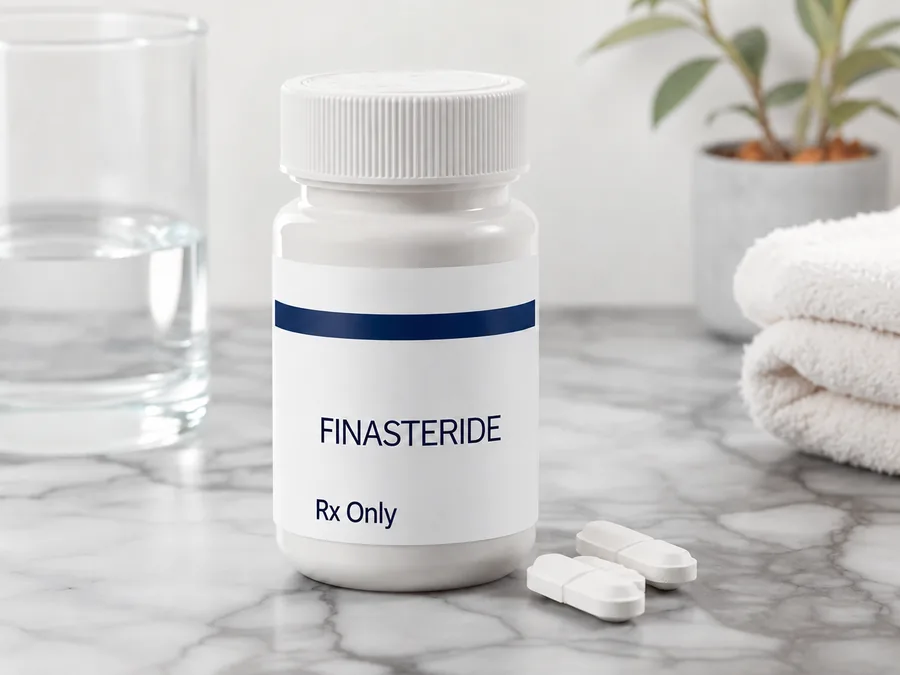
Oral Finasteride
A prescription oral medication that lowers DHT, a hormone involved in male-pattern hair loss. Your provider decides whether it is appropriate for you.
- Finasteride
- Oral Tablet
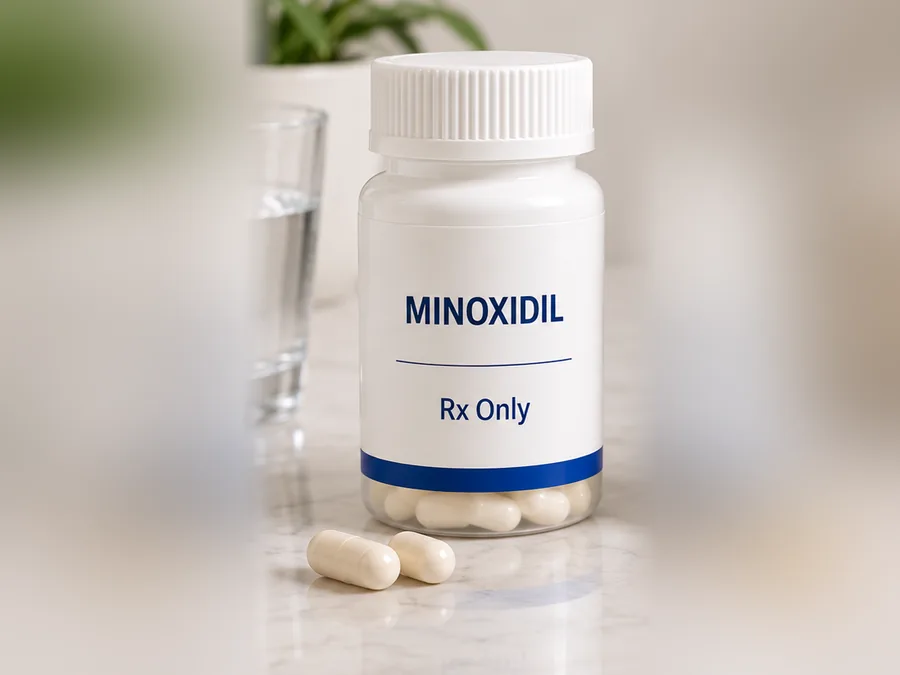
Oral Minoxidil
A prescription oral medication that supports blood flow to hair follicles. Your provider decides whether it is appropriate and at what dose.
- Minoxidil
- Oral Capsule
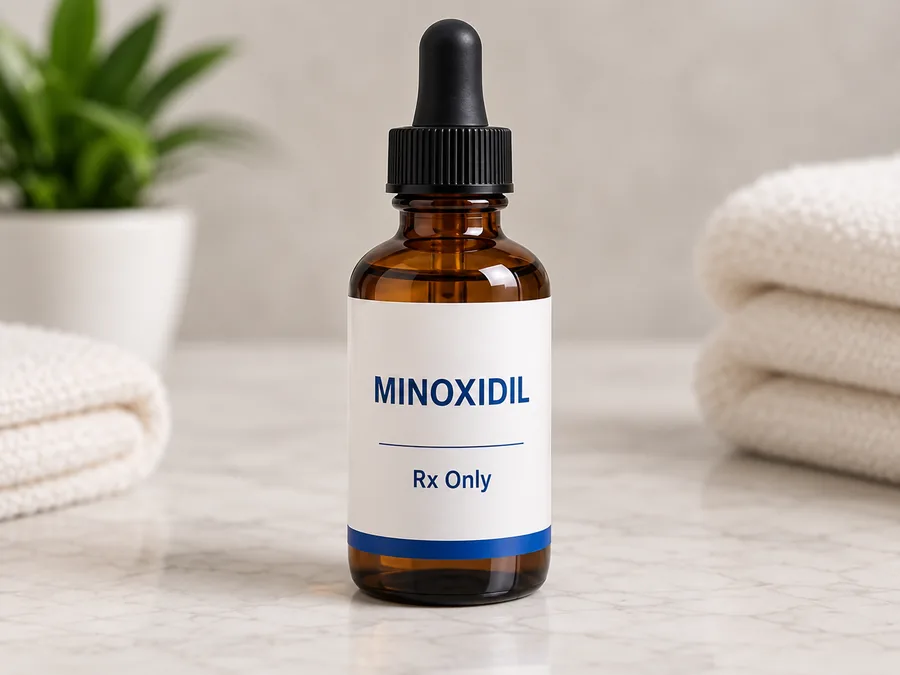
Topical Minoxidil
A prescription medication applied directly to the scalp that supports blood flow to hair follicles. Your provider decides whether it is appropriate for you.
- Minoxidil
- Topical Solution
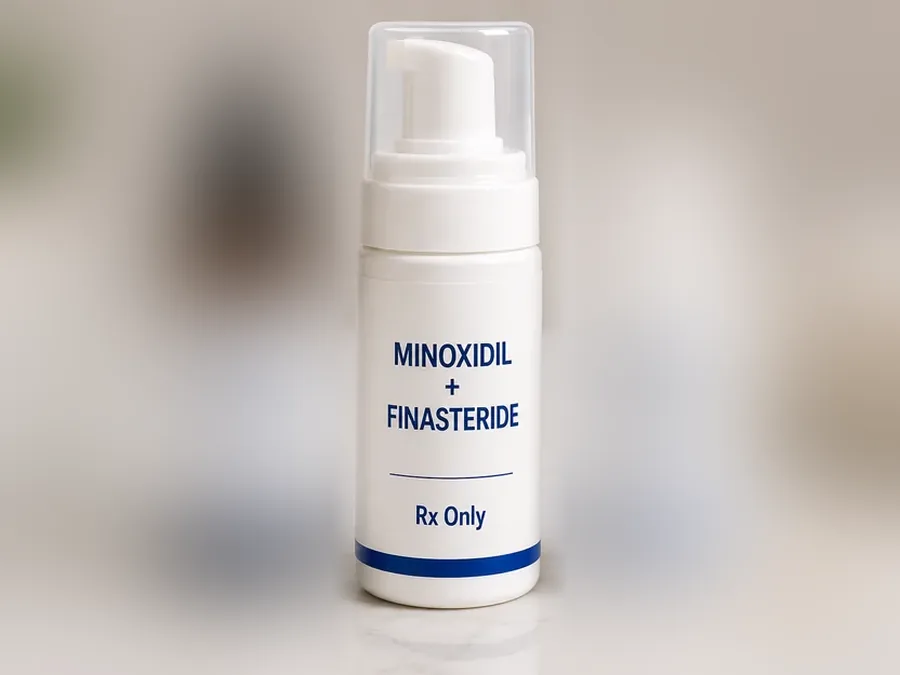
Topical Minoxidil + Finasteride
Two prescription medications in one topical foam applied to the scalp: minoxidil supports blood flow to hair follicles, and finasteride lowers DHT. Your provider decides whether it is appropriate for you.
- Minoxidil 6% + Finasteride 0.3%
- Topical Foam
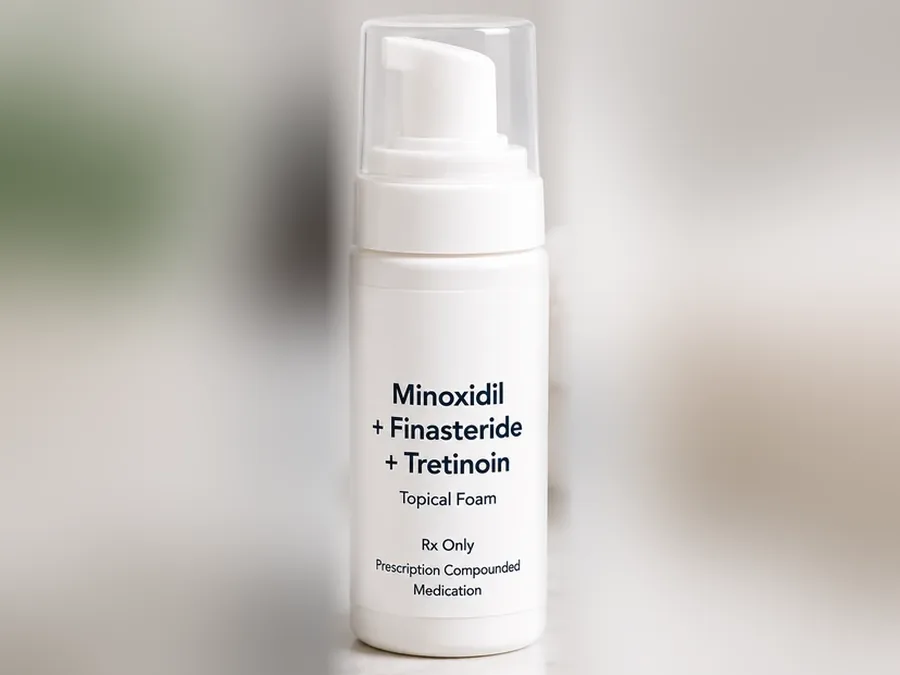
Topical Finasteride + Minoxidil + Tretinoin
Three prescription medications in one topical foam applied to the scalp: minoxidil supports blood flow to hair follicles, finasteride lowers DHT, and tretinoin, a retinoid, speeds skin-cell turnover. Your provider decides whether it is appropriate and which strength fits you.
- Finasteride 0.25% + Minoxidil 5% + Tretinoin 0.03%
- Finasteride 0.25% + Minoxidil 5% + Tretinoin 0.01%
- Finasteride 0.5% + Minoxidil 5% + Tretinoin 0.01%
- Topical Foam
Key Takeaways
- Oral and topical minoxidil contain the same medication but are delivered in different ways.
- Healthcare providers may recommend one option over another based on your medical history, hair loss pattern, and treatment goals.
- Neither treatment is automatically the best choice for every patient.
- Hair restoration typically requires patience, consistency, and realistic expectations.
- Personalized medical evaluations help ensure treatment recommendations are appropriate for your individual needs.